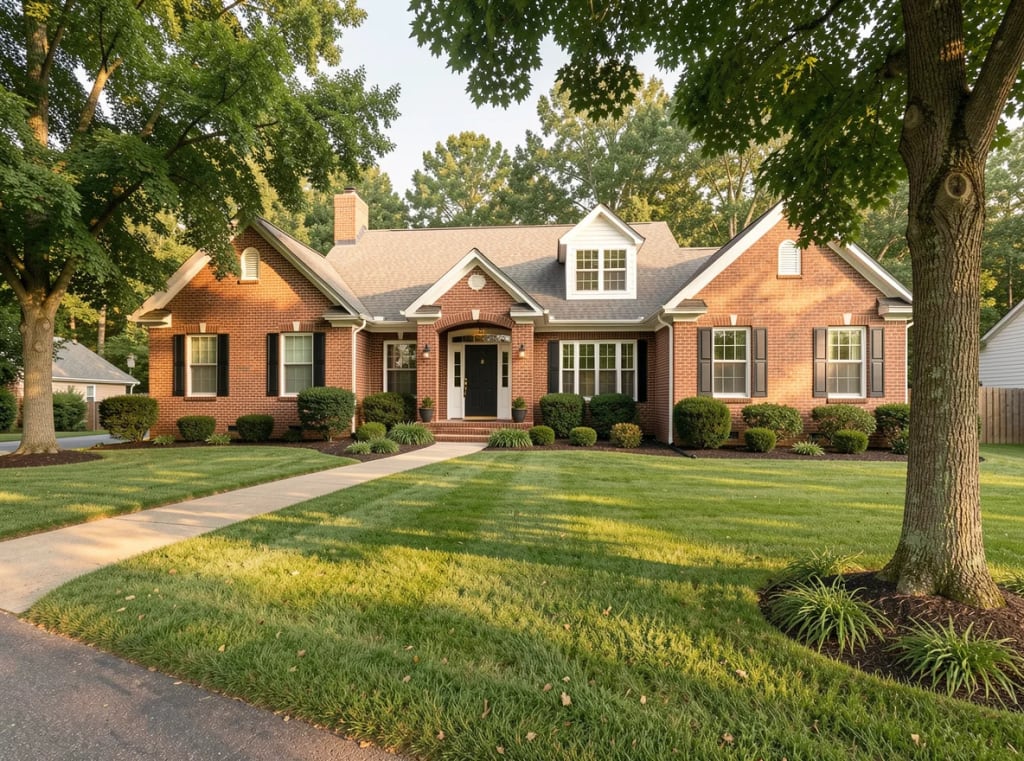
Shelby County vs Fayette County: 5 Cost-of-Living Shifts That Change Your Search
Shelby County vs Fayette County: 5 Cost-of-Living Shifts That Change Your Search
Choosing between Shelby County and Fayette County is not just about picking a dot on the map. For many buyers, it is really a decision about how far their monthly budget stretches, what kind of property feels realistic, and what tradeoffs they are willing to make for space, convenience, and long-term value. In West Tennessee, those differences can be more meaningful than they first appear on a listing sheet.
For buyers relocating from another part of Tennessee or moving in from out of state, the comparison often starts with sticker price and quickly expands into everyday life. Utility costs, commuting patterns, land needs, maintenance expectations, and even where you spend your weekends all shape the true cost of living. That is where local guidance matters, especially when your search includes both established suburban areas and more rural, land-friendly settings.
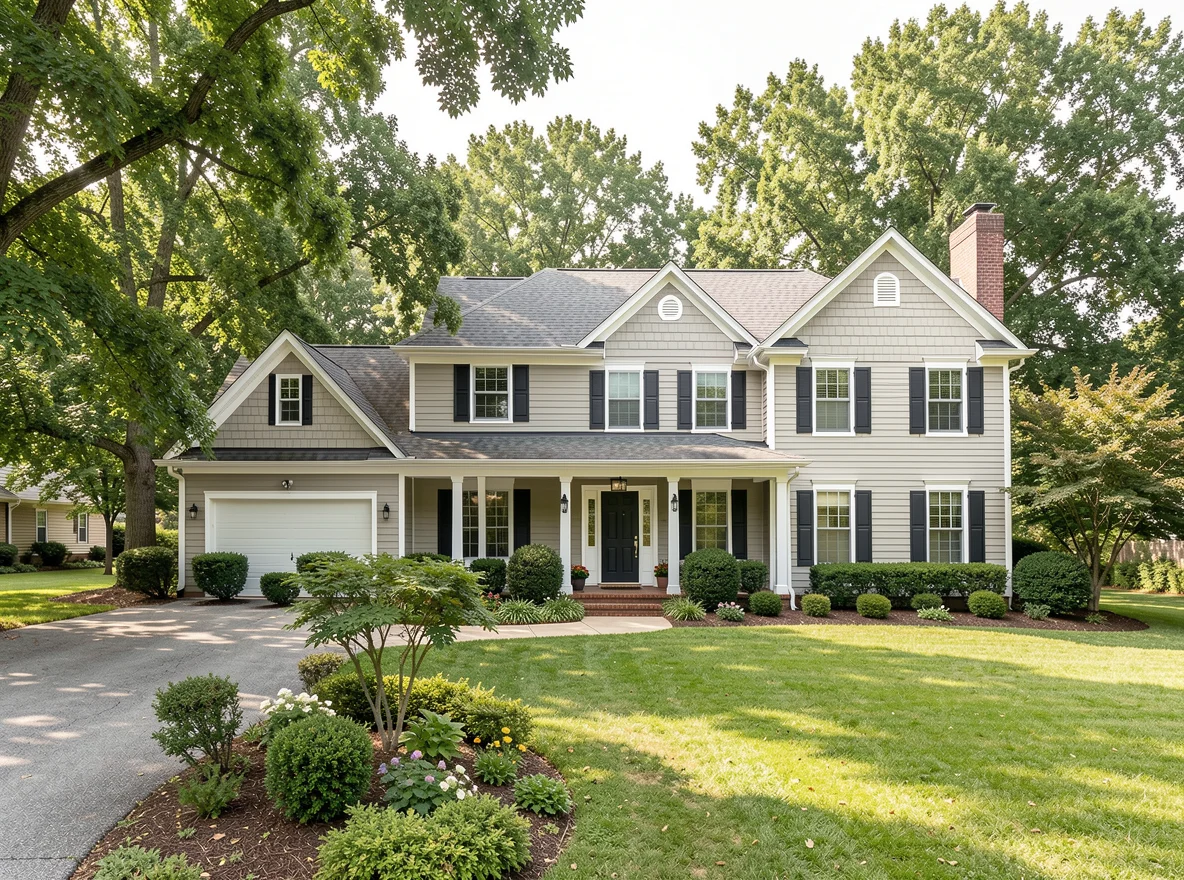
1. Home price often buys a different lifestyle. Shelby County gives buyers access to a broad range of neighborhoods, from established suburban communities to more central locations near major employment centers, medical campuses, and shopping corridors. That variety is a major plus, but it can also mean higher competition and a higher price per square foot in many sought-after areas. Buyers who want newer finishes, shorter commutes, or proximity to daily conveniences may find themselves paying a premium for those advantages.
Fayette County, by contrast, often changes the math in a buyer's favor when square footage and lot size are priorities. Instead of stretching to afford a compact property in a busier area, many households discover they can shift their budget toward a larger home, more acreage, a detached workshop, or simply more breathing room. For anyone dreaming about a garden, recreational land, or a home that feels tucked away rather than tightly packed into a subdivision, that difference can completely reshape the search.
2. The commute is part of the cost-of-living equation. This is one of the most overlooked shifts. Shelby County can reduce drive times to work, schools, services, and entertainment, and that matters more than buyers sometimes expect. Less fuel, less wear on your vehicle, and less time spent in traffic can support a smoother routine. For households with multiple drivers, teenagers with activities, or professionals who need easy access to Memphis-area employers, convenience can be worth real money over time.
In Fayette County, the tradeoff is usually distance in exchange for space and quieter surroundings. That does not make one choice better than the other; it simply changes where your money goes. A lower purchase price or more generous land package may be balanced by more driving each week. Buyers who work remotely or maintain flexible schedules often see this as an easy compromise. Buyers with rigid daily commutes may want to calculate fuel, vehicle maintenance, and time before deciding that the lower sale price automatically means lower living costs overall.
Where Monthly Expenses Start to Feel Different
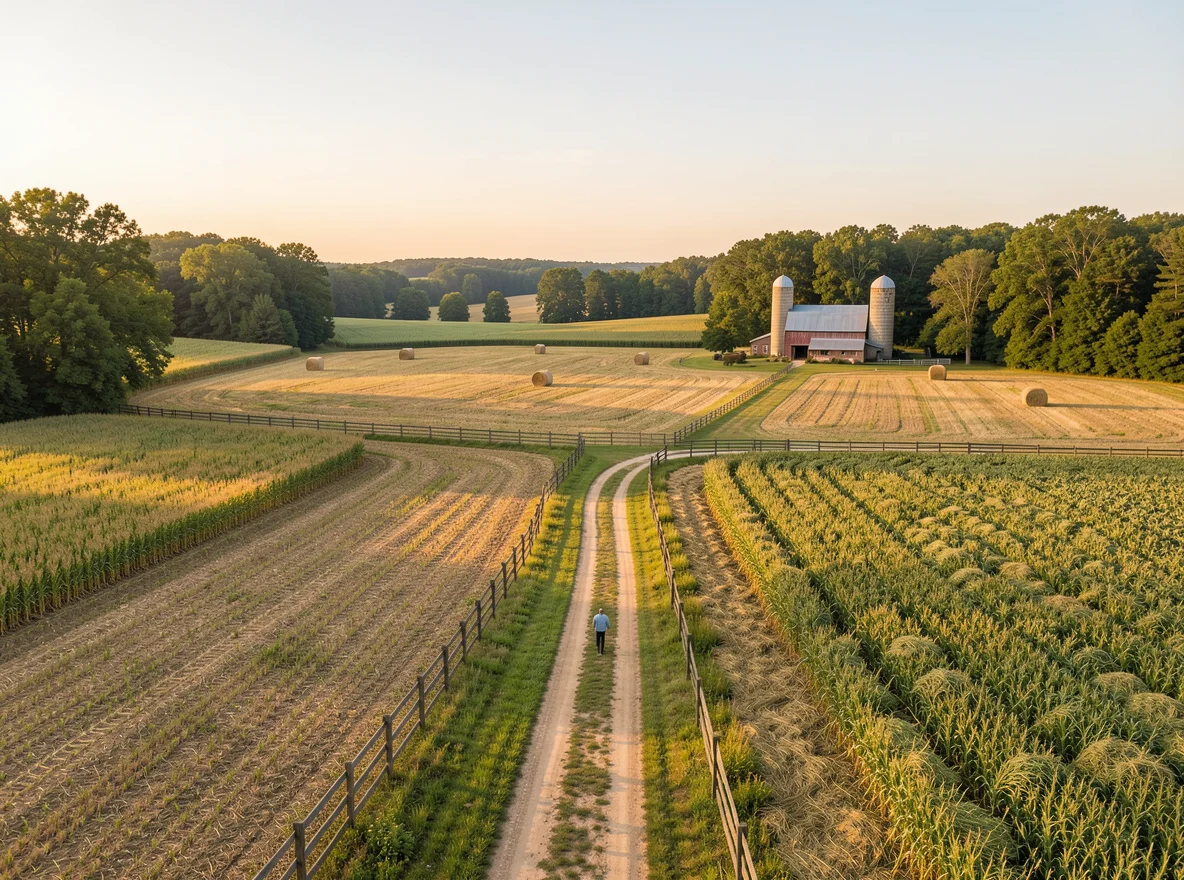
3. Utilities and property upkeep can shift the real monthly number. A buyer moving from a smaller home in Shelby County to a larger property in Fayette County may save on purchase price relative to what that home would cost closer to Memphis, but larger homes and bigger lots can introduce new ongoing expenses. Heating and cooling more square footage, maintaining long driveways, mowing acreage, servicing septic systems where applicable, and budgeting for outbuildings all deserve a place in the conversation.
On the other hand, some Shelby County buyers face a different pattern of recurring costs. Higher prices for homes in popular locations can affect mortgage payments, and smaller lots do not always mean low upkeep if the property is older or requires updates. The key is not to assume that one county is automatically cheaper in every category. The better question is: which version of monthly spending matches your priorities?
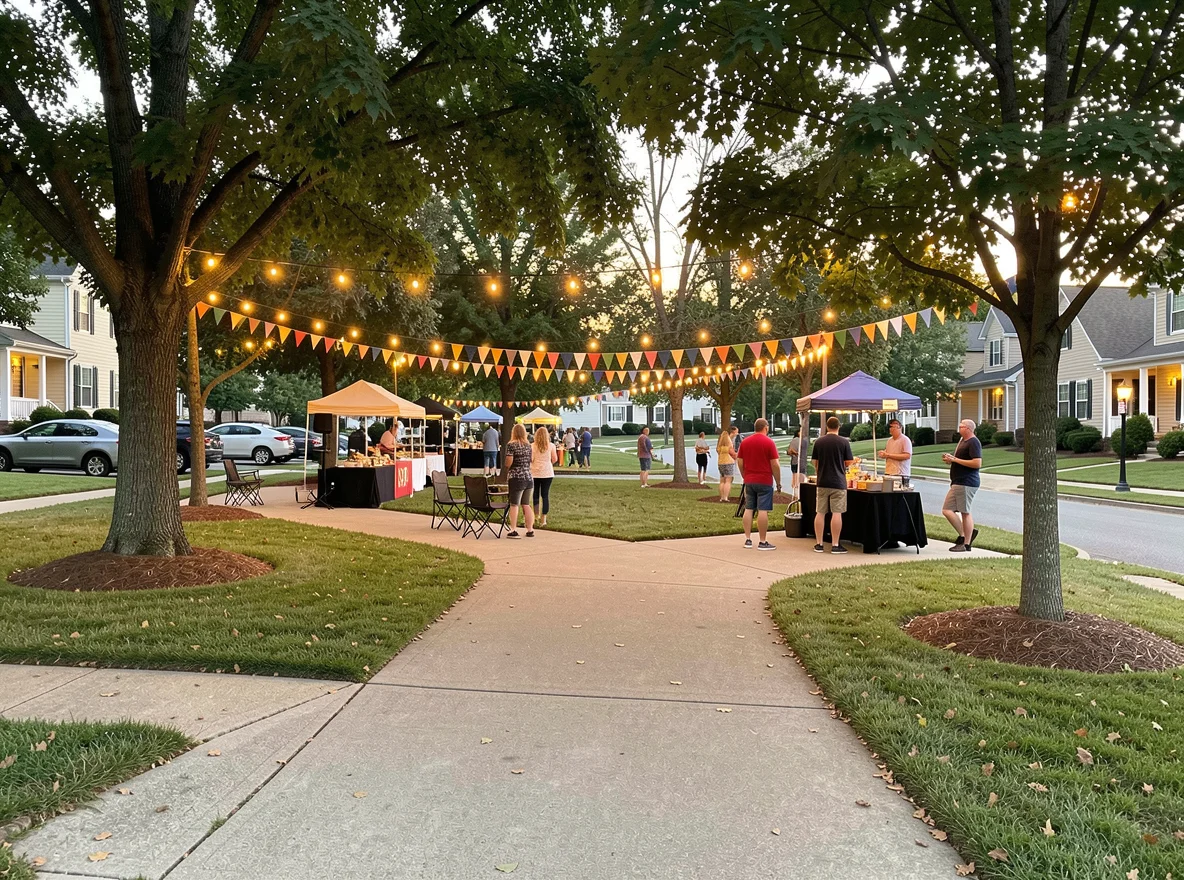
4. Amenities change spending habits, too. Shelby County tends to offer closer access to major retail areas, dining, healthcare systems, entertainment options, and a wide range of schools and extracurriculars. That accessibility can simplify life and reduce planning friction. It can also subtly increase discretionary spending simply because more options are nearby. For many households, that is a worthwhile trade because convenience and variety improve day-to-day living.
Fayette County often appeals to buyers who want a more measured pace and a stronger connection to land, privacy, and community-oriented living. Recreation may look different there: more room for outdoor hobbies, more interest in acreage, and more focus on the home itself as the center of daily life. That can mean less impulse spending out and about, but it can also mean investing more in the property, whether through landscaping, equipment, fencing, or future improvements.
5. Long-term value depends on how you plan to live. Some buyers prioritize resale flexibility and broad appeal, making Shelby County especially attractive because of its scale, employment access, and diverse housing stock. Others are looking for a place that supports a specific vision, such as building on land, raising animals, creating a multigenerational setup, or enjoying more privacy. In those cases, Fayette County may offer the kind of opportunity that would be difficult or prohibitively expensive elsewhere.
How This Comparison Should Shape Your Home Search
The smartest buyers compare these counties by building a full lifestyle budget instead of focusing on sale price alone. Start with mortgage, insurance, taxes, and utilities, then add commute costs, maintenance expectations, and the expenses that come with the way you actually want to live. If schools, activity access, and quick errands matter most, Shelby County may justify a higher price point. If room to spread out and flexibility for land-based living are at the top of the list, Fayette County may deliver more of what you value.
This is also where working with a local real estate professional can save time and prevent false starts. Emmett Baird Realty, with Julianna Craft's client-focused approach and deep knowledge of West Tennessee markets, helps buyers look beyond headline numbers. That matters whether you are a local resident upgrading your space or an out-of-state buyer trying to understand how neighborhoods, acreage, design potential, and daily logistics come together in real life.
In the end, Shelby County and Fayette County are not competing versions of the same purchase. They offer different financial rhythms, different living patterns, and different ideas of what home should feel like. When you understand those five cost-of-living shifts clearly, your search gets sharper, your budget gets more honest, and your next move starts to look a lot more intentional.