
7 Memphis Neighborhood Clues First-Time Buyers Miss on a $250K-$400K Budget
7 Memphis Neighborhood Clues First-Time Buyers Miss on a $250K-$400K Budget
Buying in Memphis can look straightforward on paper until you realize two homes at the same price can offer completely different day-to-day lifestyles. First-time buyers often focus on square footage, granite counters, or whether the HVAC is newer, but the more revealing clues usually live outside the listing description. In the $250K-$400K range, where competition can still be meaningful and neighborhood quality varies block by block, learning how to read the area is just as important as evaluating the house itself.
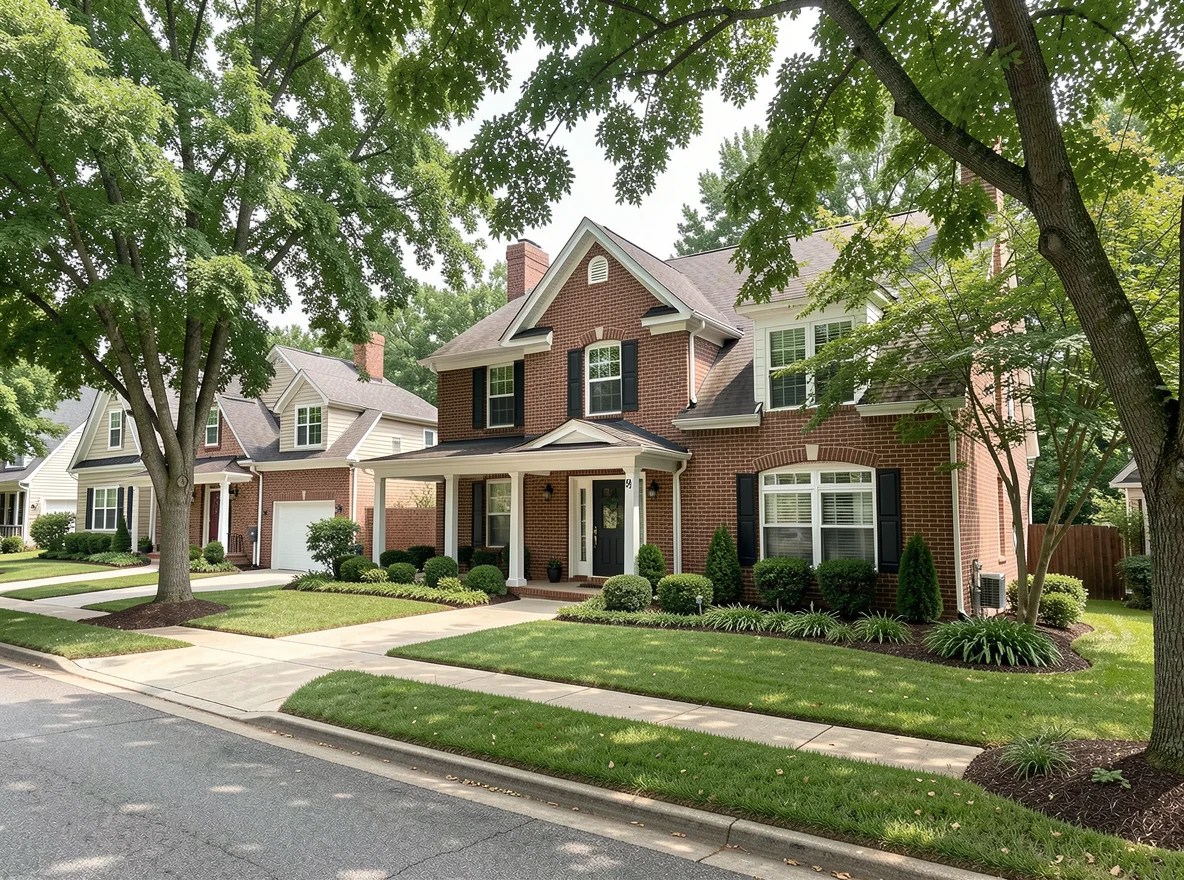
That is where local pattern recognition matters. Memphis has established neighborhoods with deep character, newer pockets with more standardized construction, and transitional areas where values may be climbing but consistency is still catching up. A buyer working with strong local guidance can spot details that reveal whether a community feels stable, convenient, and aligned with long-term goals. For clients relocating from outside West Tennessee especially, those details are easy to miss on a quick weekend tour.
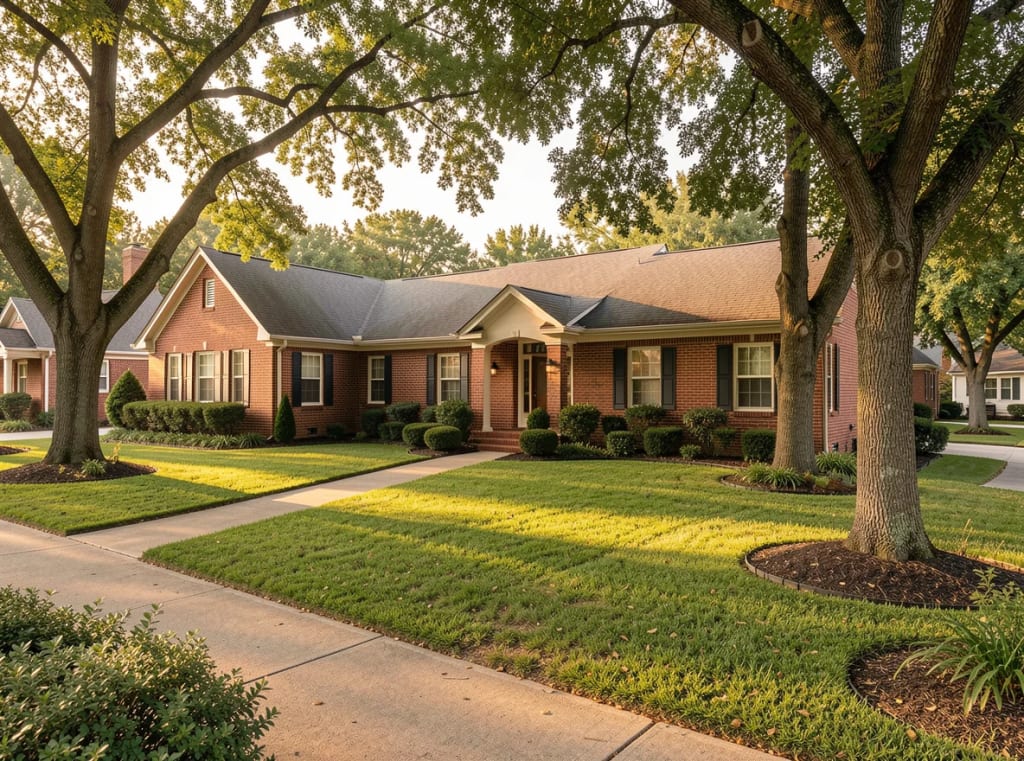
Clue number one: look at the condition of the homes that are not currently for sale. A polished listing can distract from the larger picture, but neighboring roofs, fences, driveways, and lawns tell the real story. In many Memphis-area neighborhoods, consistent upkeep across an entire street often signals owner pride, steadier values, and fewer unpleasant surprises after move-in. If one beautifully staged house is surrounded by deferred maintenance, that is a cue to slow down and ask more questions.
Clue number two: pay attention to how the street functions during ordinary hours. Is there constant cut-through traffic? Are cars parked in ways that suggest tight storage or overloaded driveways? Do the homes sit close to busy collector roads that change the feel of the block? Many first-time buyers visit during one ideal showing window and never see the neighborhood at school drop-off, early evening, or on a rainy weekday. In a city with varied commuting patterns, that extra visit can completely change your impression.
Clue number three: watch for subtle transitions between micro-areas. Memphis buyers sometimes talk about neighborhoods as if the boundaries are fixed and obvious, but the lived experience can shift within a few turns. One side of an area may feel quiet, walkable, and established, while another backs to heavier traffic or more mixed property conditions. This is especially important in your budget band, where buyers are often choosing between location strength and interior updates. Knowing which blocks hold value better over time can be more important than the newest backsplash.
What the Best First-Time Buyers Notice Before They Fall in Love
Clue number four: study the rhythm of reinvestment. You do not need every home to be newly renovated. In fact, neighborhoods with a healthy mix of longtime owners and tasteful updates often feel more grounded than areas with aggressive flip activity. What you want to see is evidence that people care: updated windows here, a refreshed porch there, landscaping improvements, additions that fit the original style, and homes that look lived in rather than temporarily polished for resale.
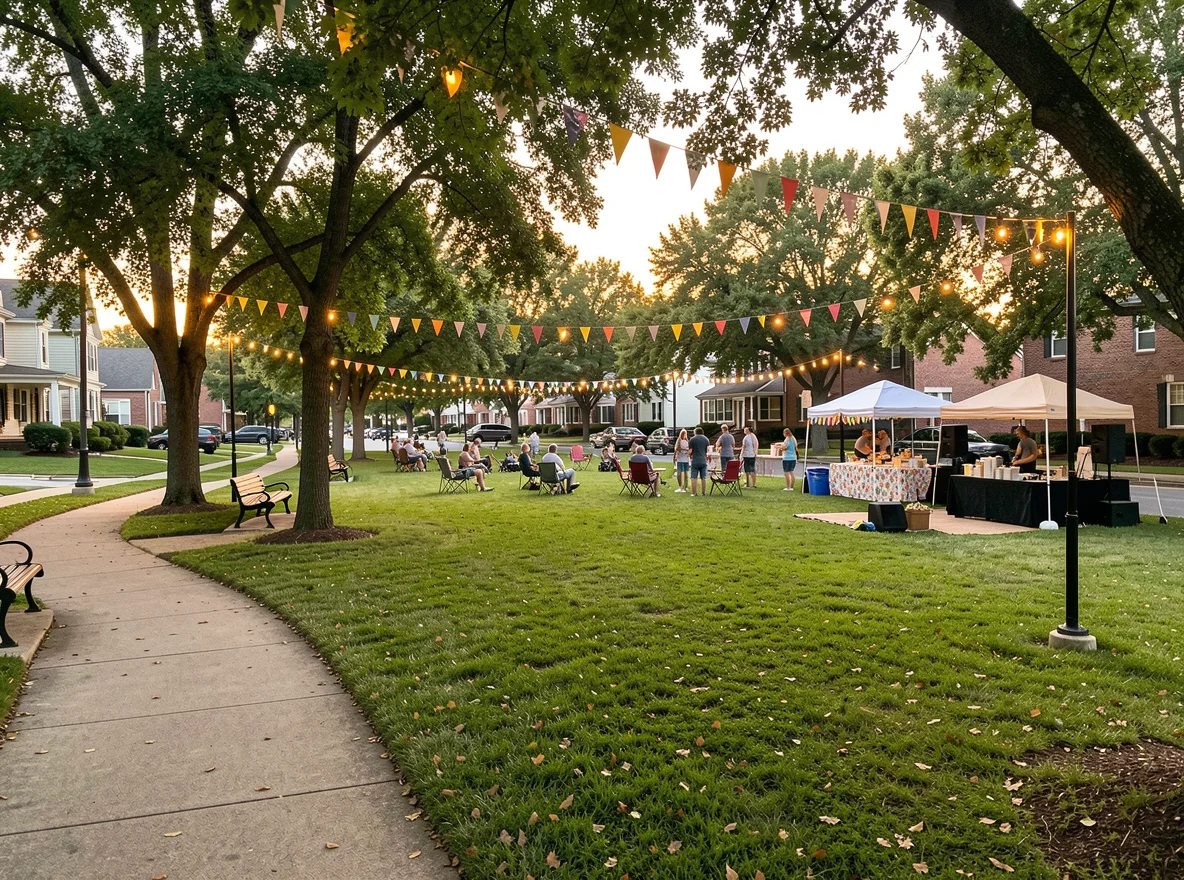
Clue number five: measure convenience by your actual routine, not by a map alone. A neighborhood can be only a few miles from major employers, schools, parks, grocery options, or weekend recreation and still feel inconvenient because of traffic flow or awkward access. The right area for one buyer may be near East Memphis work corridors, while another values quicker routes to Collierville, Germantown-adjacent amenities, or community destinations that make daily life easier. Convenience is not abstract; it is personal and practical.
For households with children or future family plans, schools naturally enter the conversation, but experienced buyers go one step further. They look at the broader ecosystem around the schools: after-school options, neighborhood play areas, library access, sports fields, and whether the area feels like a place where families put down roots. Even buyers without children often benefit from understanding school-related demand because it can influence resale strength and neighborhood stability over time.
Clue number six: look beyond trendy buzz and ask whether the area has staying power. Some Memphis neighborhoods have an enduring appeal because they combine architectural charm, central access, and a sense of identity that does not depend on one hot season of buyer interest. Others may be in earlier phases of change, which can present opportunity but also requires a sharper eye. This is where a client-focused advisor can help weigh not just what looks exciting today, but what is likely to feel wise five years from now.
The same principle applies to dining and recreation. Buyers are often drawn to nearby favorites, local gathering spots, golf options, trails, green spaces, and weekend conveniences, and rightly so. But the hidden clue is whether those amenities feel naturally integrated into the area or are just close enough to mention in marketing. A neighborhood that supports your real habits, morning coffee runs, evening walks, quick errands, casual meetups, tends to deliver more satisfaction than one that looks good only on a map pin.
The Budget Sweet Spot Is About Judgment, Not Just Price
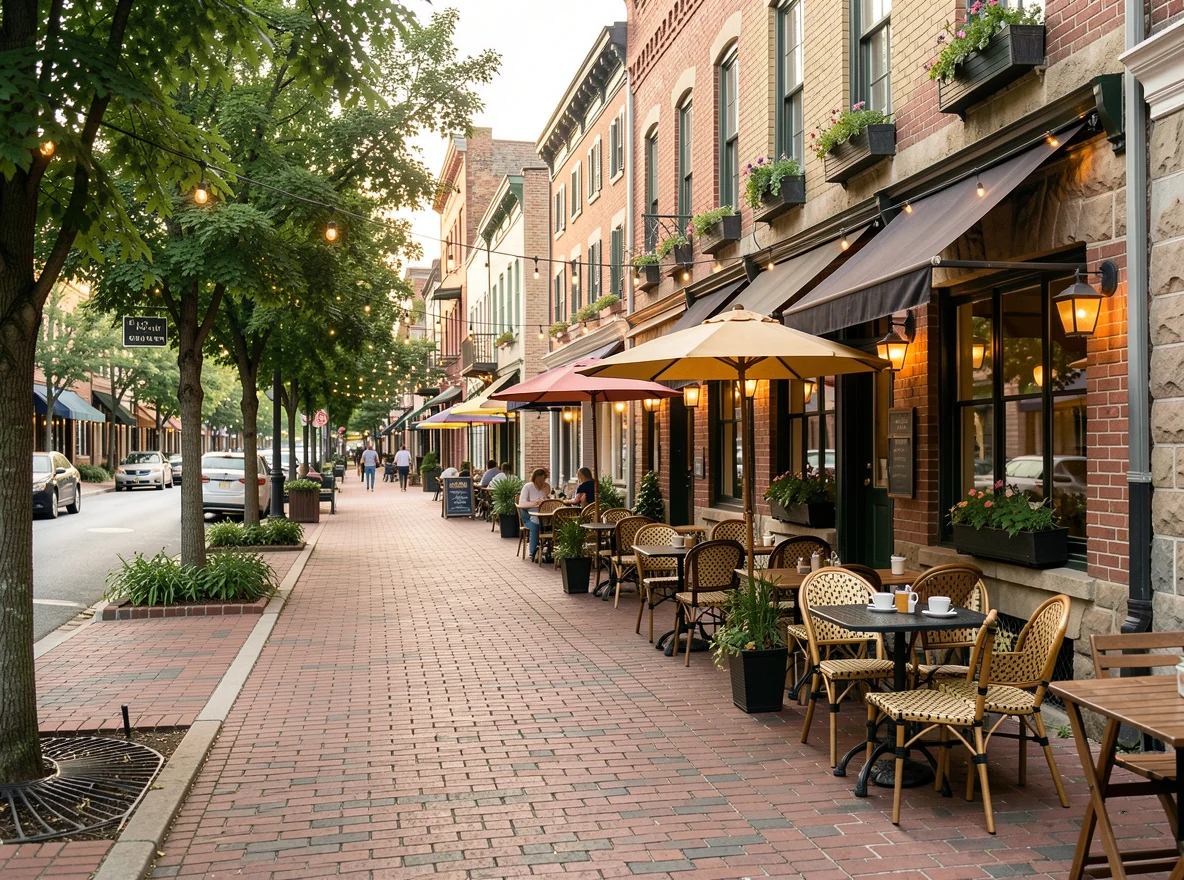
Clue number seven: compare what the neighborhood asks you to compromise on. In the $250K-$400K range, most first-time buyers are making a trade somewhere, lot size, commute, updates, age of home, school access, or proximity to favorite amenities. The trick is to choose compromises that are cosmetic or manageable, not structural to your lifestyle. A slightly dated kitchen is one thing. A location that makes every weekday harder is something else entirely.
This is also the price band where realistic market interpretation matters. Two homes with similar list prices may differ because one sits in a stronger micro-location, has better long-term appeal, or benefits from more reliable neighborhood consistency. Buyers who understand that relationship tend to make calmer, smarter offers. They are not simply chasing a bargain; they are evaluating value in context.
That is one reason many buyers appreciate working with professionals who know West Tennessee beyond the listing photos. Emmett Baird Realty brings deep local knowledge, and Julianna Craft’s client-focused approach can be especially helpful for both local and out-of-state buyers trying to decode what makes one Memphis-area neighborhood feel like home and another feel like a near miss. Good guidance is not about pushing a property. It is about helping you see what was there all along.
In the end, the best first home is rarely the one with the flashiest finishes. It is the one where the street feels right, the surrounding homes suggest stability, the commute works, the community supports your lifestyle, and the numbers make sense for today and tomorrow. If you can spot those seven clues before you get emotionally attached to the countertops, you will shop smarter, negotiate with more confidence, and land in a Memphis neighborhood that truly fits your life.